
NASCAR Drivers in F1 or F1 Drivers in NASCAR Who Would Better?
Explore whether NASCAR drivers can thrive in Formula 1 or if F1 drivers would adapt better to NASCAR’s unique challenges.


Advertisement
The debate over whether a NASCAR driver would perform better in Formula 1 or vice versa has intrigued motorsport enthusiasts for years. Both racing series demand exceptional skill, but they each present unique challenges. Let’s explore the strengths and weaknesses of each type of driver when placed in the other’s environment.
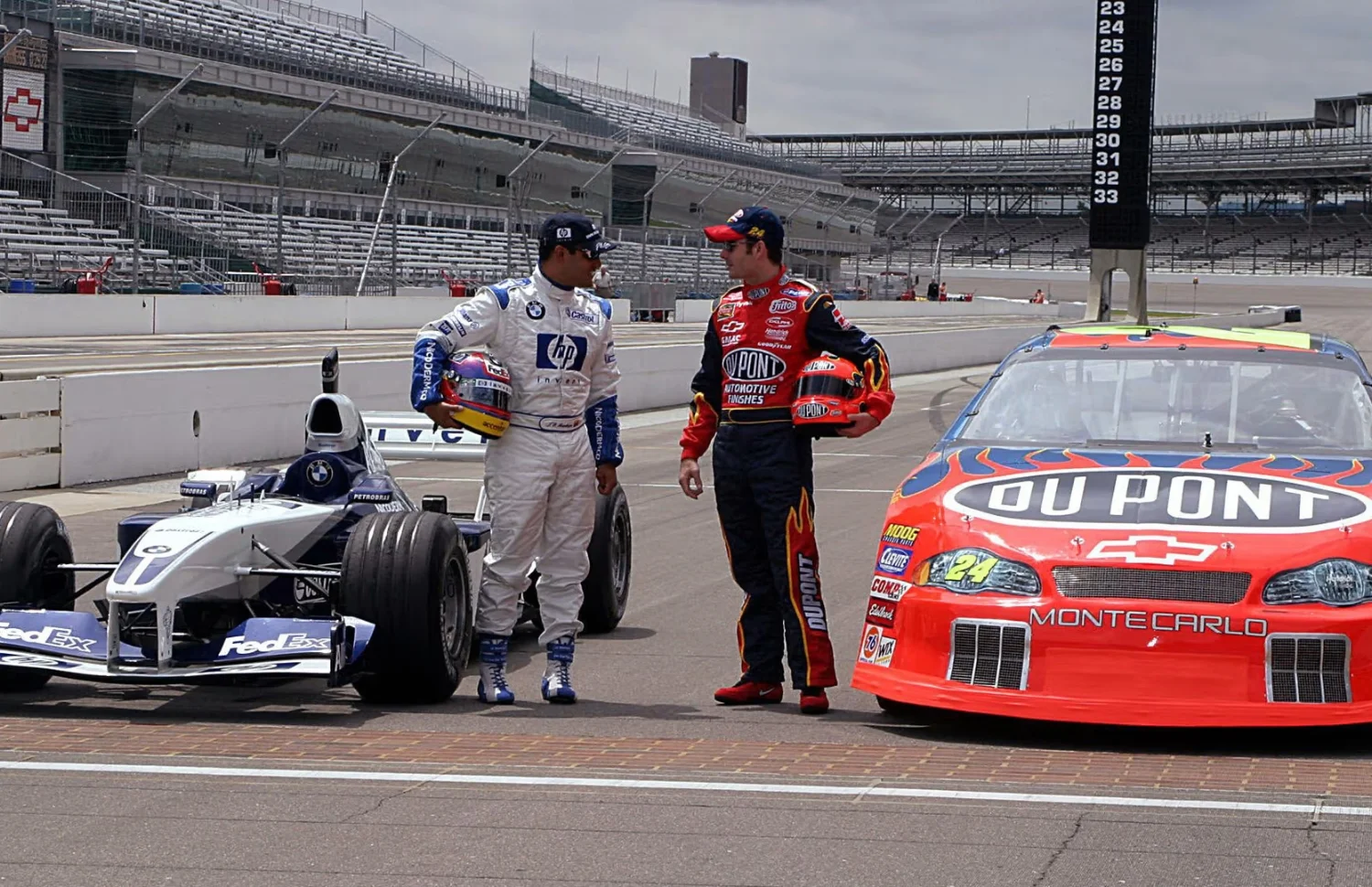
NASCAR Driver in Formula 1
Strengths
- Experience with High-Speed Racing: NASCAR drivers are seasoned professionals accustomed to the adrenaline of high-speed racing. They often navigate intense competition, which equips them to handle the pressures of F1 racing.
- Tire Management: NASCAR races are long, requiring drivers to effectively manage their tires over extended periods. This skill can translate well into Formula 1, where tire strategy plays a crucial role in race performance.
Challenges
- Technical Complexity: Formula 1 cars are technologically advanced, featuring intricate aerodynamics and electronic systems. NASCAR drivers may struggle to adapt to these complexities, which could be daunting without extensive training.
- Track Layout: F1 circuits are typically more technical than NASCAR tracks, with sharper turns and elevation changes. NASCAR drivers, accustomed to wider turns on oval tracks, may find this a steep learning curve.
- Car Dynamics: The heavier, less agile nature of NASCAR vehicles contrasts sharply with the lightweight, high-precision design of F1 cars. Adjusting to this difference in handling could pose a significant challenge.
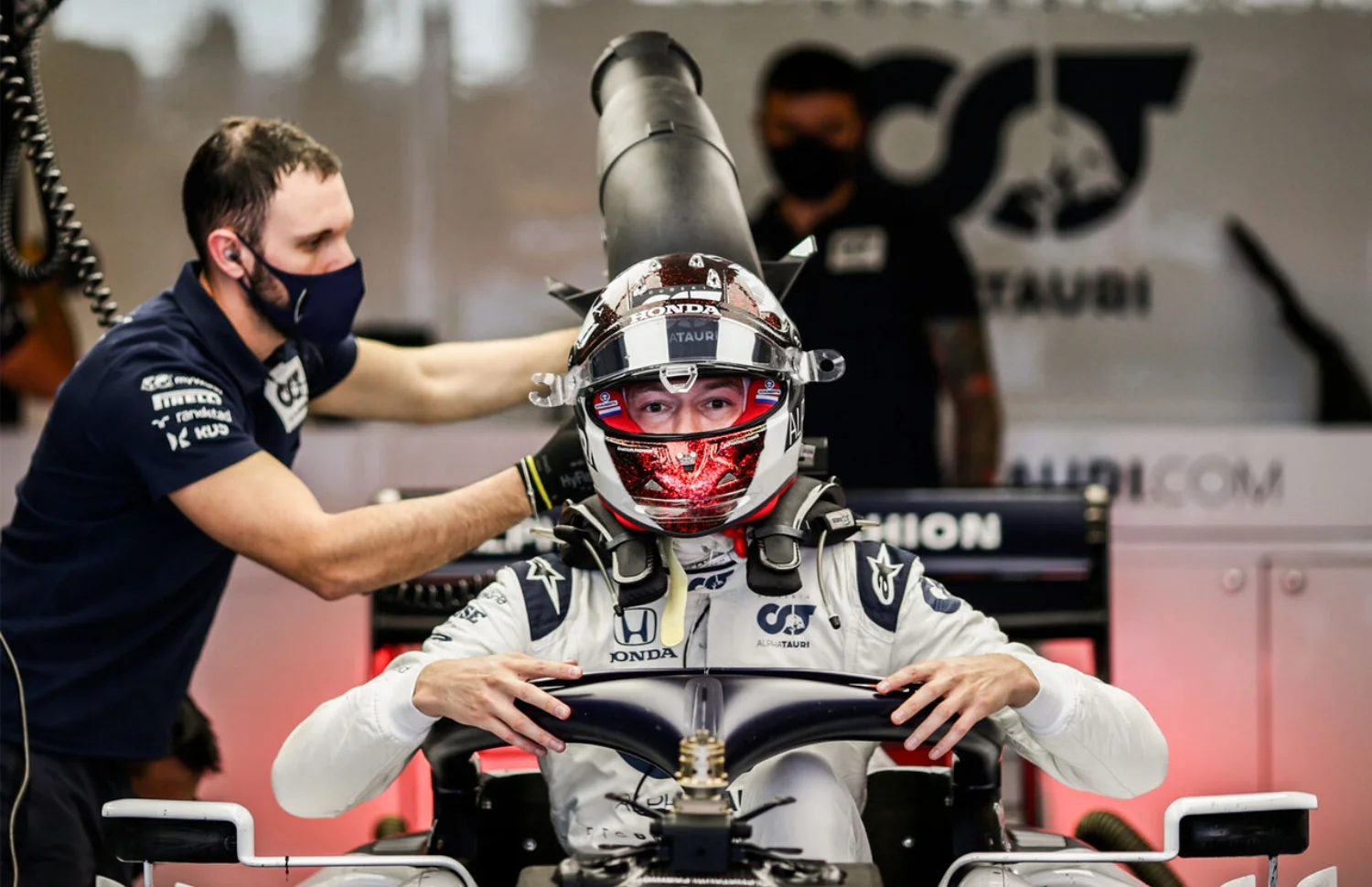
Formula 1 Driver in NASCAR

Strengths
- Technical Skills: F1 drivers are trained to extract maximum performance from their vehicles and quickly adapt to varying track conditions. This skill could be advantageous in the diverse environments of NASCAR.
- Race Strategy: Familiarity with intricate race strategies and pit stop dynamics in F1 may give these drivers an edge in NASCAR’s own strategic racing scenarios.
Challenges
- Car Weight and Handling: NASCAR cars are generally heavier and handle differently than F1 cars. The adjustment period for an F1 driver to become comfortable with NASCAR’s driving style may be lengthy.
- Drafting and Bumping: Close-quarters racing, a staple of NASCAR, involves drafting and bumping, which can be a foreign concept to F1 drivers who are used to more precise and less physical racing dynamics.
- Race Format: NASCAR races often feature longer driving periods and more frequent caution flags, which require a different approach to endurance and pacing compared to the intense, high-speed sprints of F1.
The Verdict
While both types of drivers are elite athletes, a Formula 1 driver is likely to adapt more easily to NASCAR. Their training involves navigating highly complex vehicles and executing precise maneuvers, skills that can translate well even in a simpler racing format. In contrast, a NASCAR driver may struggle with the intricacies of F1 racing, where advanced technical knowledge and split-second decision-making are paramount.
Ultimately, success in either discipline hinges on the driver’s willingness to adapt and learn the nuances of the other racing series. Each driver brings unique strengths to the table, but the transition is no small feat. The two forms of racing are so distinct that the skills required for one may not entirely overlap with the other, akin to comparing golfers and football players.
In conclusion, while a NASCAR driver might find opportunities to excel in F1, the sophisticated demands of Formula 1 suggest that an F1 driver would have the edge if placed in the world of NASCAR.
Also Read: Baku Formula 1 Race Review: Piastri’s Triumph & Major Highlights