
NFL and FEMA Transform Stadiums into Disaster Shelters for Enhanced Safety
FEMA and the NFL team up to convert stadiums into emergency shelters, boosting disaster preparedness for future crises.


Advertisement
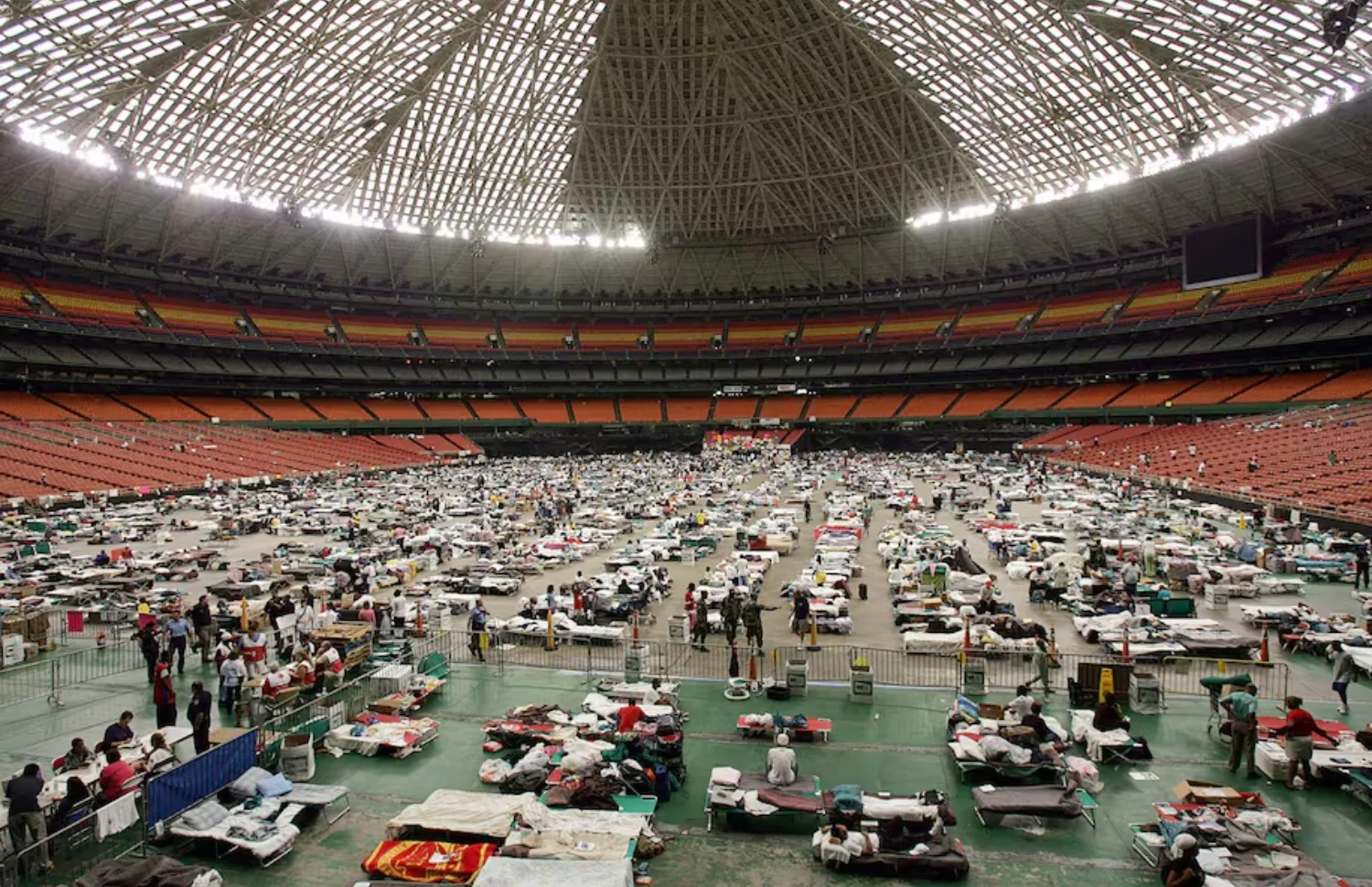
As Hurricane Katrina devastated Louisiana in 2005, over 20,000 individuals found refuge in the Superdome, home to the New Orleans Saints.
Now, almost two decades later, the Federal Emergency Management Agency (FEMA) and the National Football League (NFL) are collaborating to transform stadiums across the nation into emergency shelters, temporary hospitals, and other necessary facilities during disasters. This initiative, announced as Florida braces for a significant hurricane and floodwaters from Hurricane Francine inundate Louisiana, aims to enhance community preparedness for catastrophic events.
Improving Preparedness for Future Disasters
Previous efforts to utilize stadiums as shelters have often encountered challenges, primarily due to poor preparation. For example, officials in New Orleans noted that the Superdome was designed to be a “last resort” shelter, but it lacked sufficient food, water, and supplies for the thousands who sought safety there.
In a recent interview, FEMA Administrator Deanne Criswell explained that this new initiative will help local officials prepare better, preventing them from scrambling during crises. “The biggest difference between this and Hurricane Katrina is that we’re planning ahead,” she said. “We will understand the capabilities of each stadium and work with them to address the threats faced by their cities.”
Criswell pointed out that during her tenure as New York City’s emergency management chief from 2019 to 2021, stadiums were effectively used as temporary hospitals and vaccination sites during the COVID-19 pandemic. This experience inspired the current initiative. The NFL approached FEMA with this idea nearly three years ago.
“It just made perfect sense,” Criswell noted, expressing hope that Major League Baseball and other sports leagues would adopt similar measures. “We have all these existing venues. How can we coordinate better during peaceful times to understand their capabilities and how we might utilize them in the future?”
Formalizing the Partnership
Cathy L. Lanier, the NFL’s chief security officer and former D.C. police chief, described the partnership as “an obvious fit.” The agreement was formalized on Tuesday with a memorandum of understanding signed at NFL headquarters in New York City, in the presence of longtime NFL commissioner Roger Goodell.
According to Jaclyn Rothenberg, FEMA’s director of public affairs, stadiums will be accessible year-round. The costs associated with operating these temporary shelters during federally declared disasters will be negotiated among local, state, and federal officials. These venues may also serve as staging areas for generators or command-and-control centers.
As climate change intensifies the impact of hurricanes, wildfires, and floods, the challenge of evacuating and sheltering thousands of people grows, particularly for local governments with limited emergency management budgets. One significant hurdle is securing large spaces and hotels to accommodate these individuals and finding the necessary funds to support them for extended periods.
For instance, when Hurricane Ian struck Lee County, Florida, in 2022, residents had to travel long distances to find available hotels, many of which were fully booked. Consequently, some were forced to remain in shelters for weeks, and Lee County faced staffing shortages at these facilities. Similarly, Hurricane Laura impacted Louisiana in August 2020, severely affecting Black and low-income neighborhoods, with many vulnerable individuals needing to travel hundreds of miles to find safety.
Addressing Concerns and Challenges
Disaster experts believe that designating NFL stadiums as resource storage and emergency operations centers could significantly aid during severe weather events. However, they acknowledge potential resistance to the idea. Doug Quinn, CEO of United Survivors Disaster Relief, noted that the trauma from experiences during Katrina could deter individuals from using these shelters, particularly in Florida and Louisiana. “There is still collective trauma from what happened there. How willing will people be to go to a shelter like that?”
Quinn added that those seeking shelter often belong to vulnerable populations, including the elderly and low-income individuals, making it crucial to ensure their safety and well-being.
Mike Sage, an emergency preparedness expert with the Public Health Institute, pointed out that maintaining privacy and proper hygiene for shelter residents could be challenging. He suggested using individual tents to address this concern. “If you just line up cots along the football field for thousands of people, it’s manageable for a few days,” he explained. “But for longer stays, comfort becomes essential.”
Sage emphasized the importance of testing stadiums’ capacity to function during disasters, including their ability to provide electricity when the grid goes down.
Participating Stadiums
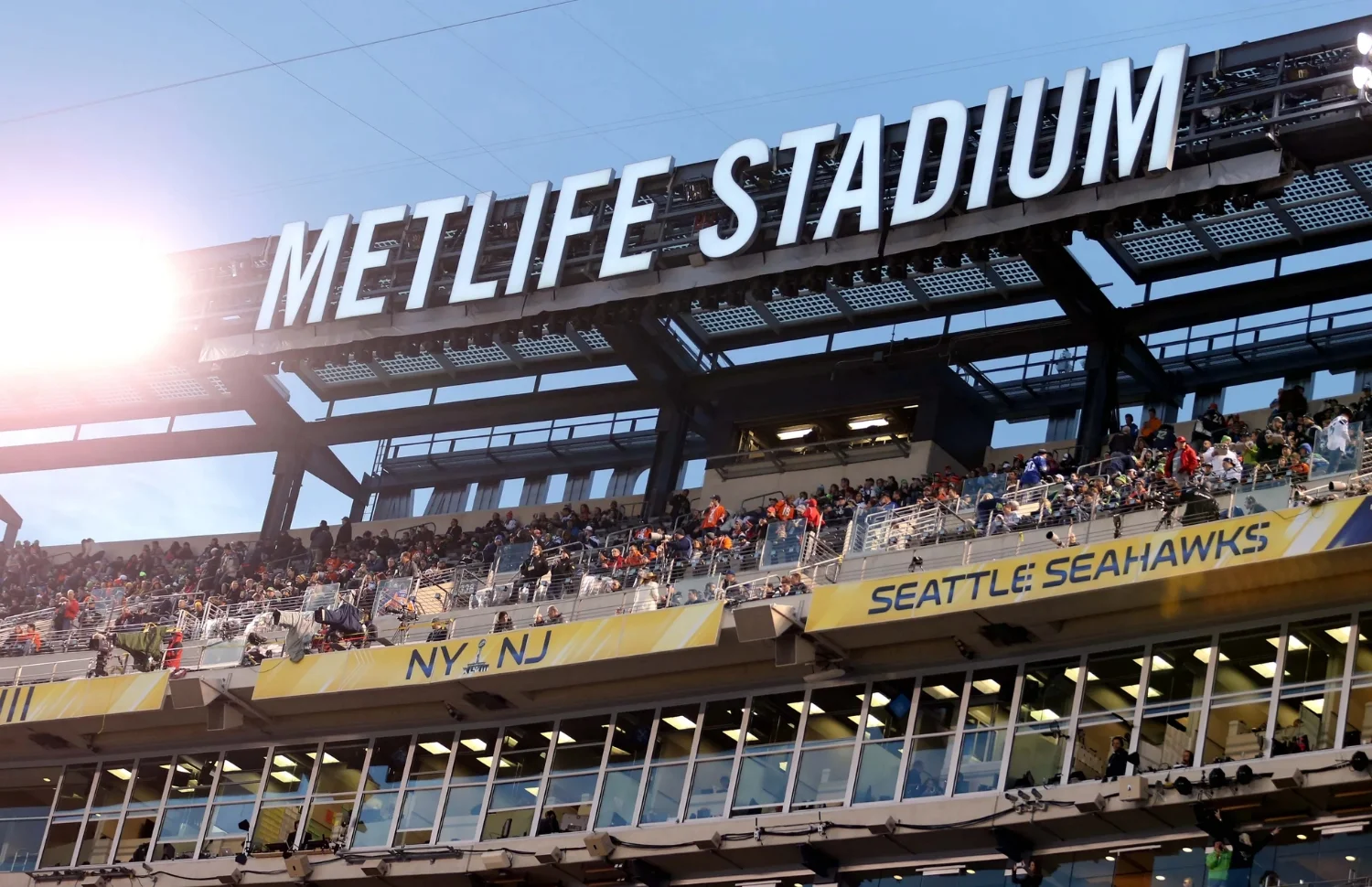
So far, four stadiums have committed to this initiative: MetLife Stadium in New Jersey, home to the Jets and Giants; Acrisure Stadium in Pittsburgh, home to the Steelers; Lumen Field in Seattle, home to the Seahawks; and Raymond James Stadium in Tampa, which hosts the Buccaneers. SoFi Stadium in Los Angeles, home to the Rams and Chargers, is expected to join soon.
SoFi Stadium was designed to endure earthquakes, featuring a 100-foot-deep, 12-foot-wide “seismic moat” that allows the stadium and roof to move independently during seismic events. Raymond James Stadium, located in an area frequently hit by hurricanes, was fortunate to escape severe damage from Hurricane Ian in 2022. However, a potentially significant hurricane, expected to be named Helene, is predicted to rapidly intensify in the Gulf of Mexico before reaching Florida.
Criswell stated that local officials “already have some ideas” for utilizing Raymond James if the storm strikes. However, she stressed the importance of following evacuation orders when necessary.
Also read: NFL Opening Week Breaks Records with Highest Viewership Since 2019