
Differences Between Red, Orange, and Yellow Tennis Balls: How They Impact Gameplay
The differences between red, orange, and yellow tennis balls and how their colour affects gameplay, speed, and skill development.



Advertisement
Tennis is a game of skill, strategy, and precision. While players focus on their shots, court positioning, and opponents, one important element they might not pay much attention to is the tennis ball itself. The color of a tennis ball – red, orange, or yellow – plays an important role in determining its use, purpose, and overall experience on the court.
Let’s dive into how these different tennis balls vary and how their colors can influence gameplay
The Role of Tennis Ball Colours in the Game
The main purpose of having different colored tennis balls is to make the game more adaptable for beginners and young players, making the learning process easier. Each color signifies a specific type of ball that is suited to players at different skill levels. The tennis balls differ in terms of size, weight, and the pressure inside, which directly affects their bounce, speed, and overall playability.
Red Tennis Balls
What Are They?
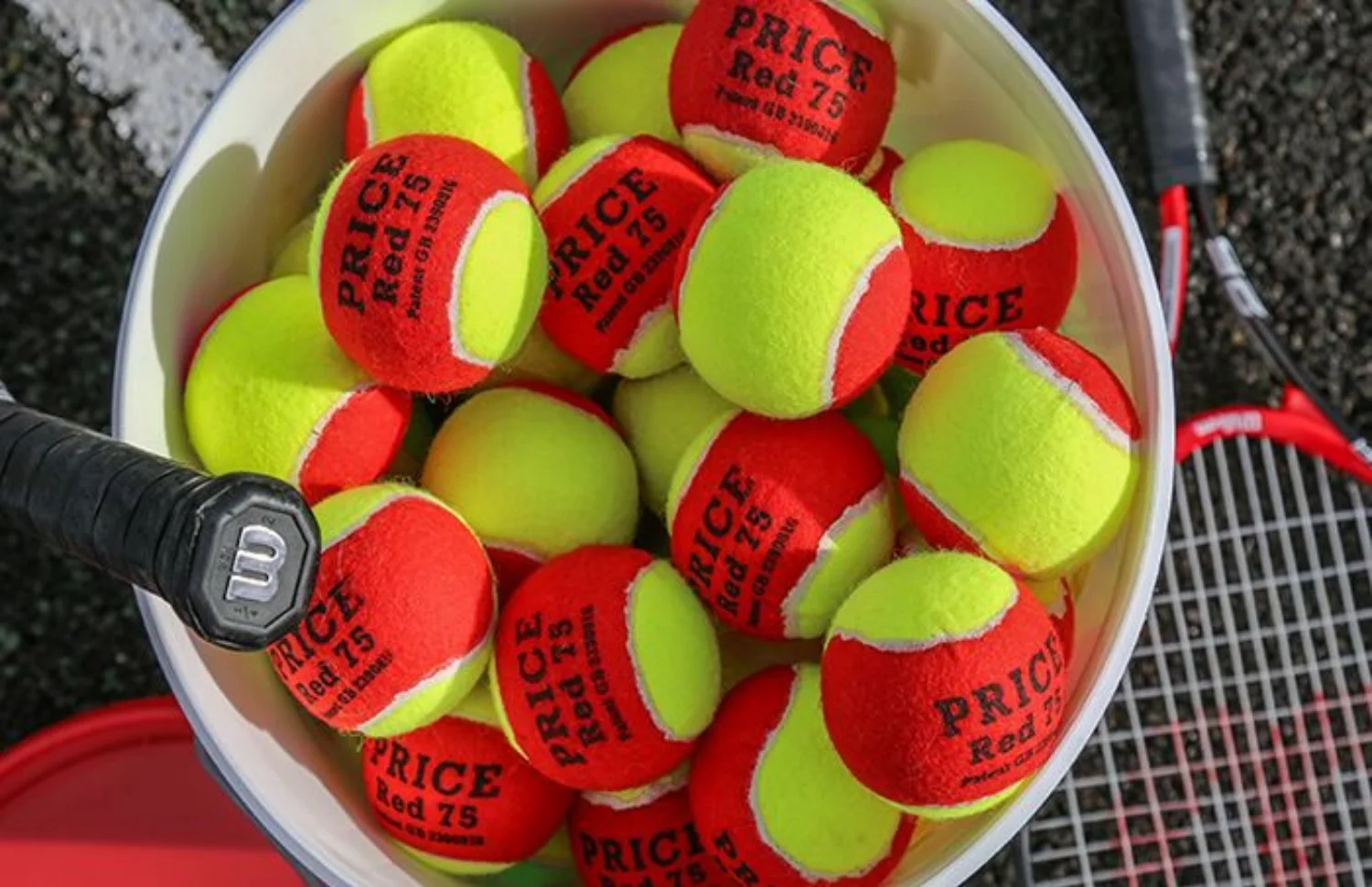
Red tennis balls are the slowest, largest, and least pressurized of the three types. These balls are designed for young children, beginners, or those just starting to learn the game. They are typically used on smaller courts – about 36 feet long – and are designed to bounce lower, which makes them easier to hit and control for beginners.
Key Characteristics:
- Size: Red balls are about 15% larger than standard yellow tennis balls.
- Pressure: They are low-pressure, which slows them down.
- Bounce: Red balls bounce significantly lower than other types, which helps beginners keep the ball in play.
How It Affects Gameplay:
Red Tennis balls are slower and easier to hit, making them ideal for helping beginners develop their techniques. Since the ball doesn’t bounce as high, it allows players to focus on proper stroke techniques without being rushed, improving their accuracy and consistency.
Orange Tennis Balls
What Are They?
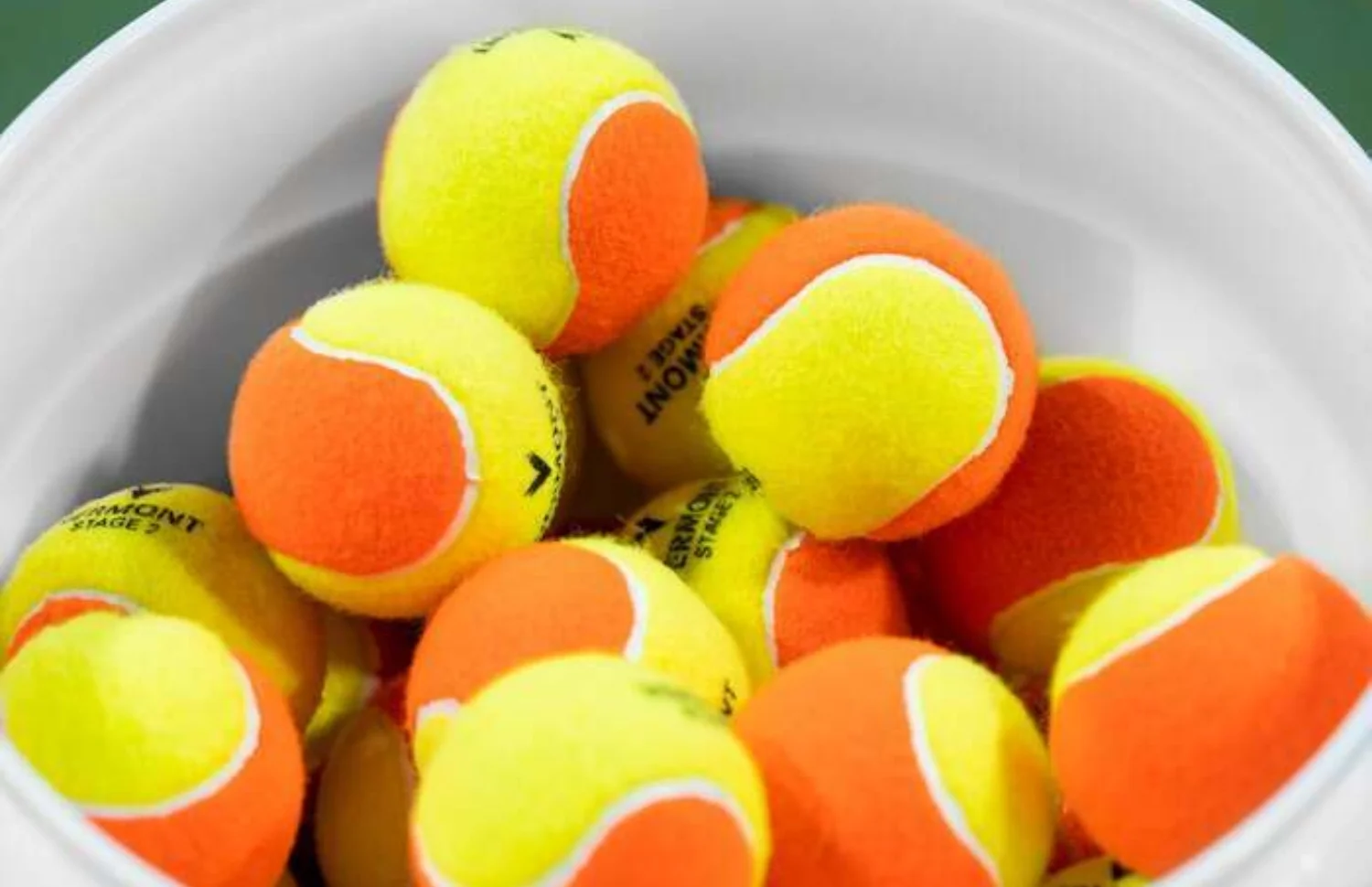
Orange tennis balls are the next step up from red balls and are often used by intermediate players. These balls are used on a mid-sized court (about 60 feet long) and have a medium bounce. They are a bit smaller than red balls but still larger and slower than standard yellow tennis balls.
Key Characteristics:
- Size: Slightly smaller than red balls but still larger than standard yellow ones.
- Pressure: These balls have more pressure than red balls but are still lower pressure than regular tennis balls.
- Bounce: Orange balls bounce higher and faster than red balls but are still slower than the standard yellow tennis balls.
How It Affects Gameplay:
Orange tennis balls offer a moderate challenge, perfect for players who have mastered the basics and are working to refine their game. Their speed and bounce are designed to help players improve their footwork and reaction time while still giving them the control they need to continue honing their skills.
Yellow Tennis Balls
What Are They?
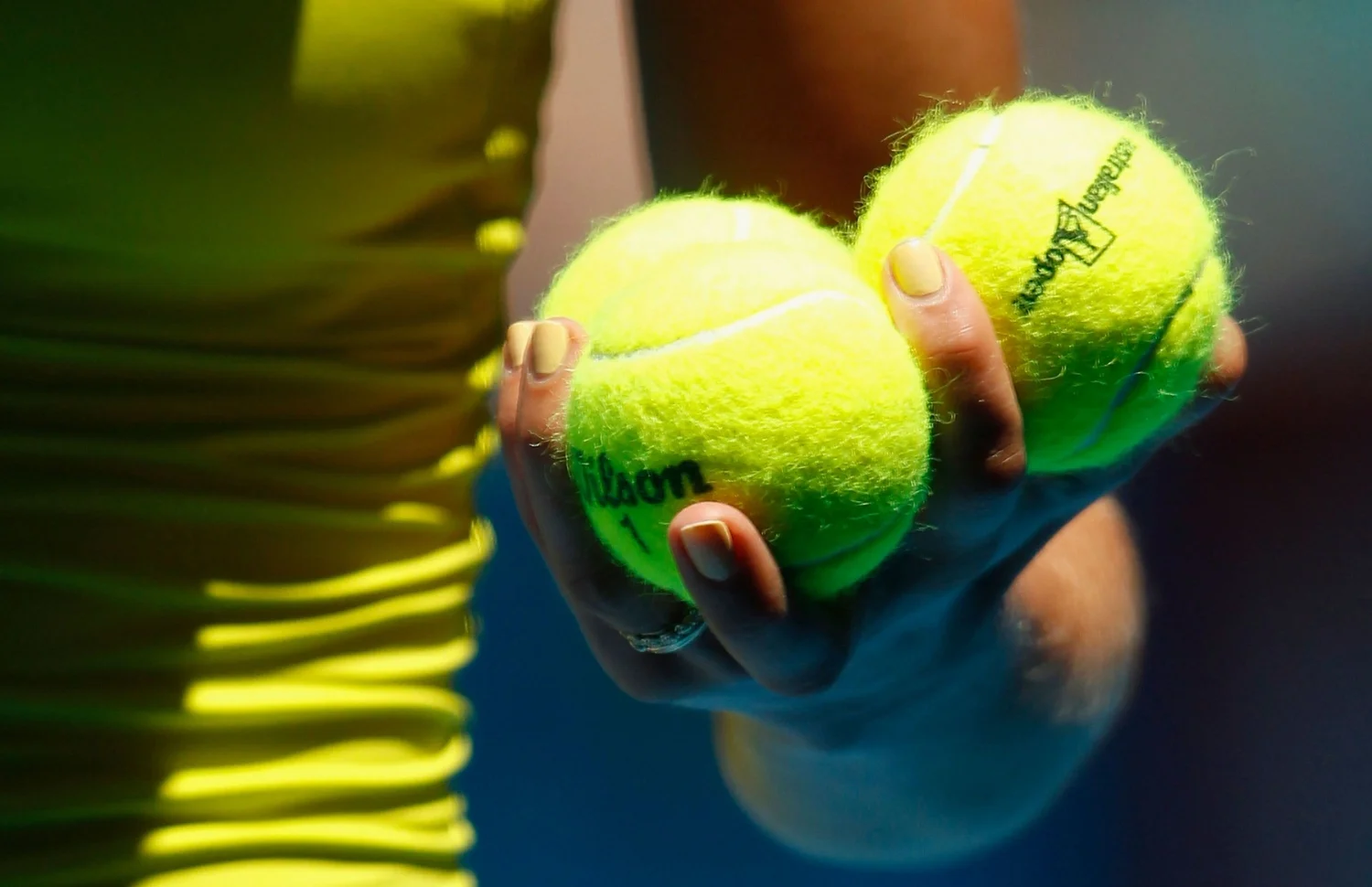
Yellow tennis balls are the standard balls used in professional and competitive tennis. They are the fastest, have the highest pressure, and bounce the most. They are used on full-sized courts and are what most people think of when they imagine a tennis match.
Key Characteristics:
- Size: Standard size and weight.
- Pressure: High pressure, which results in faster speeds and higher bounces.
- Bounce: Yellow balls have the highest bounce and travel the fastest.
How It Affects Gameplay:
These tennis balls are meant for experienced players who can handle the speed and power of a regular tennis game. The high bounce and fast pace of yellow balls require players to react quickly, move fast on the court, and use a wider variety of shots and strategies. These balls are also used in tournaments and professional matches because they require players to be at their peak performance.
How Colour Affects Gameplay
Visual Cues and Training Purposes
One of the main reasons red, orange, and yellow tennis balls are colored differently is for visual clarity. Players and coaches can easily distinguish which type of ball is in use, and it helps set the right expectations for speed and bounce. For instance, a red ball tells players to expect a slower, lower bounce, while a yellow ball signals faster and more challenging gameplay.
Adapting to Skill Levels
By using different colored tennis balls, tennis is more inclusive for players of all ages and skill levels. Beginners using red and orange balls can develop their skills without getting overwhelmed by the speed of a standard yellow tennis ball. As their skills progress, they can gradually move from red to orange to yellow balls, ensuring a smoother learning curve.
Game Strategy and Control
The color, and thus the type of ball, affects a player’s approach to the game. With red and orange balls, players have more time to think, prepare, and execute their shots. These balls make it easier to control rallies and work on consistency. However, once a player advances to yellow balls, they need to be more focused on quick reflexes, positioning, and strategic shot-making, as the ball moves significantly faster.
Summary
In conclusion, the differences between red, orange, and yellow tennis balls extend beyond just their color. Each type of ball is designed with specific features that suit various skill levels and court sizes. Red balls are perfect for beginners who need more control, orange balls offer a balance of control and speed for intermediate players, and yellow tennis balls are for advanced players seeking fast-paced, competitive gameplay. The color of the tennis ball directly impacts its bounce, speed, and overall playability, making it a crucial aspect of a player’s training and development in tennis. By understanding these differences, players can choose the right ball to match their skill level and enjoy the game while improving their abilities.